Porcelain with a Thought Behind It
Mother’s Day and Father’s Day are, in the simplest sense, about saying thank you. Not necessarily with grand gestures – but with a thought, a small act, or something that lasts. And what could be more fitting than a gift that gets to stay?
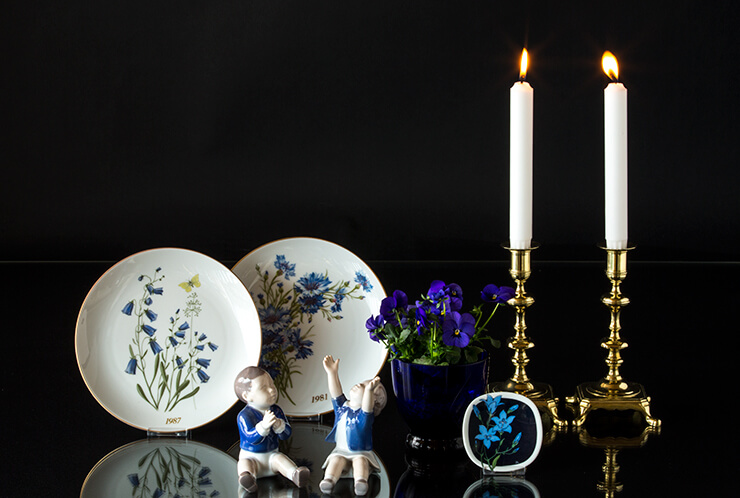
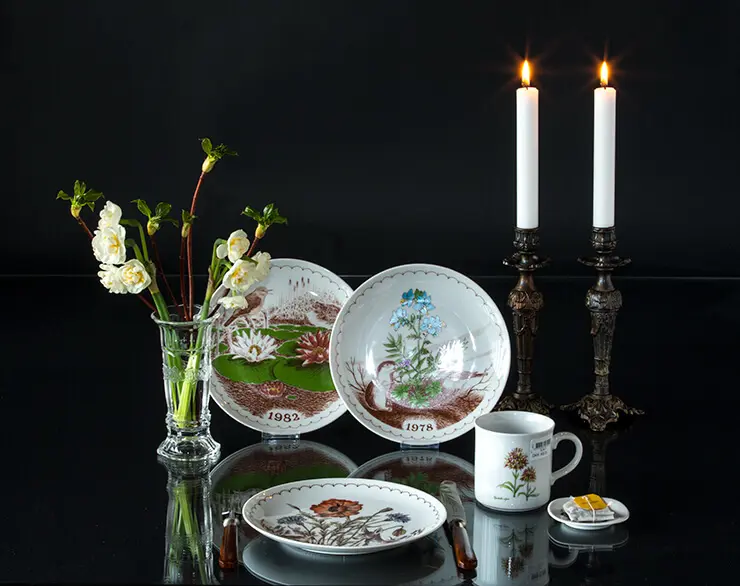
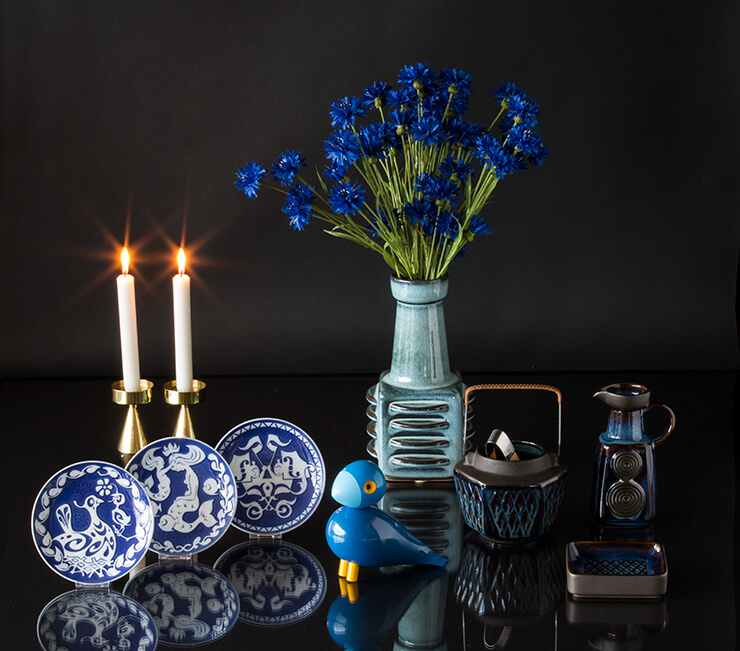
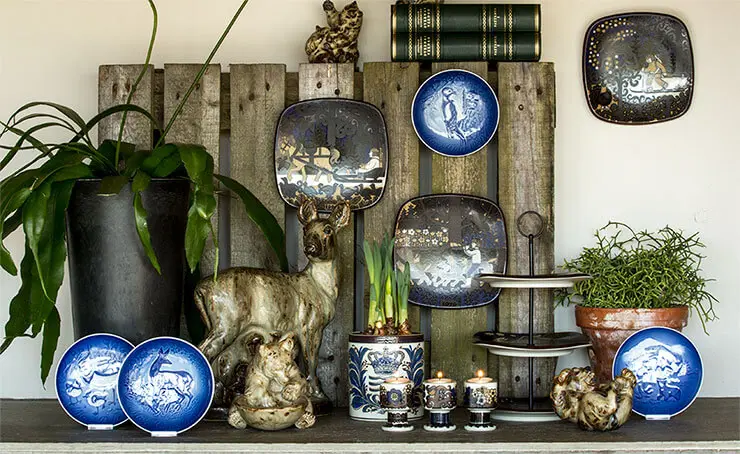
That is exactly the idea behind Mother’s Day and Father’s Day plates, where makers such as Bing & Groendahl and Royal Copenhagen saw an opportunity to create a gift that could remain – a small porcelain keepsake instead of flowers or chocolates that quickly disappear.
The tradition of Mother’s Day and Father’s Day plates grew out of the gift culture of the 1960s and the porcelain makers’ success with annual plates. A plate quickly became more than just a gift – it could be hung on the wall, used as a plate at the table, stored away, and brought out again year after year.
A Tribute to Mothers in Porcelain – and a Special Greeting for Dad
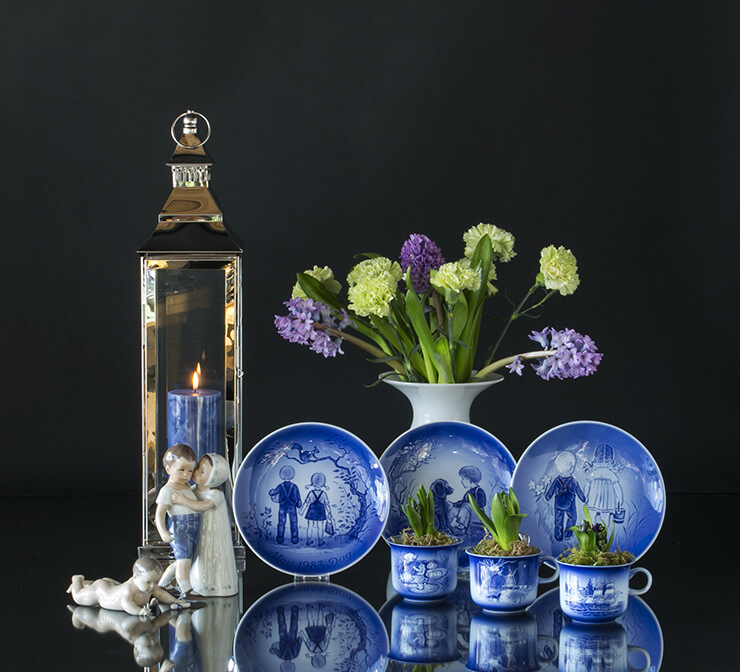
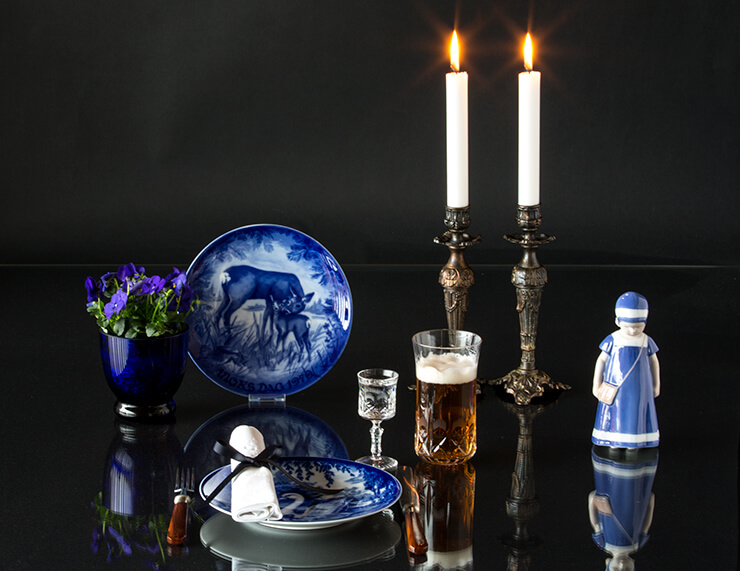
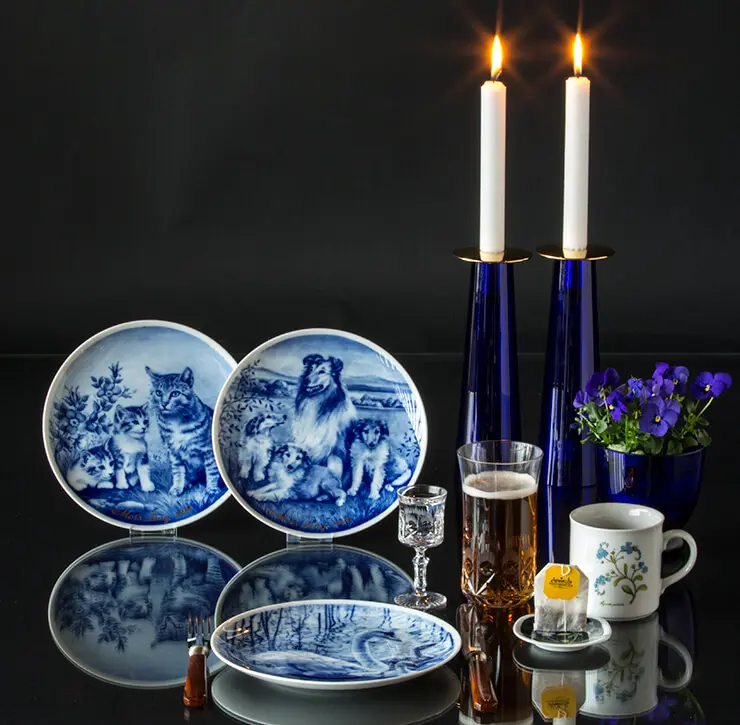
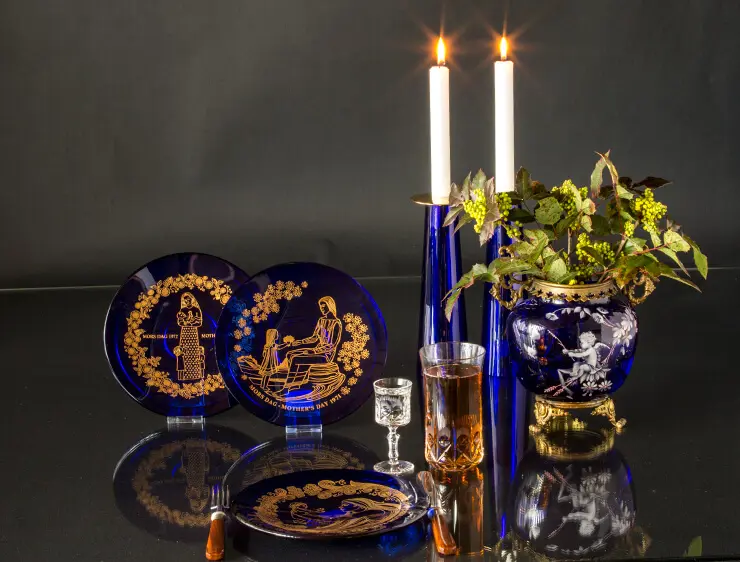
Mother’s Day plates quickly became a tradition among several porcelain producers and are now among the best-known themed plates. The motifs often show closeness, children at play, or animals with their young – small stories that celebrate care and family life.
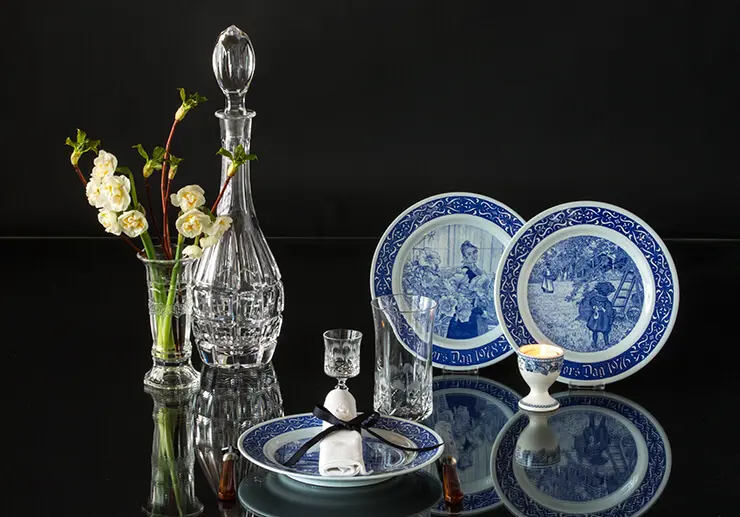
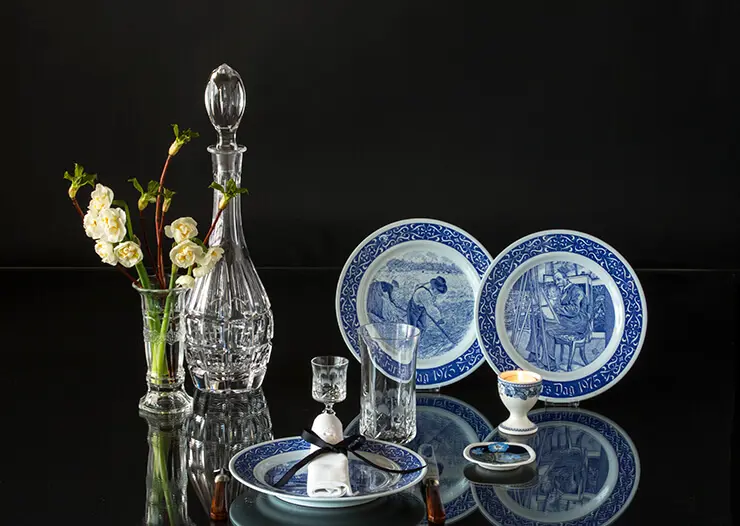
Father’s Day plates were never produced in the same volume, but that is exactly why they hold a special place among collectors. The motifs often feature crafts, professions, or classic symbols of the father role. While Mother’s Day plates became a widely given gift, Father’s Day plates remained rarer – and therefore also a little extra special to find.
Mother’s Day Plates – a Greeting That Gets to Stay
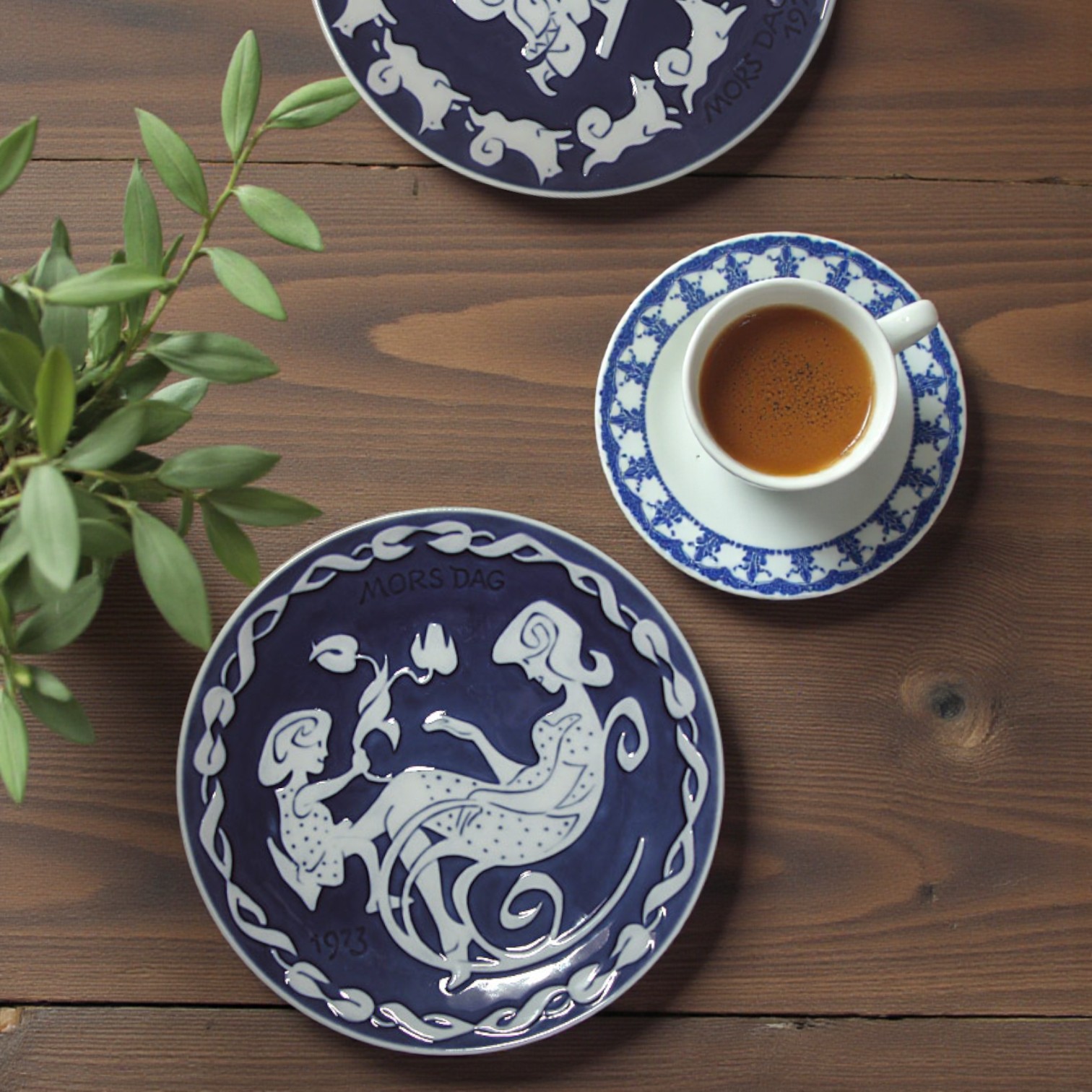
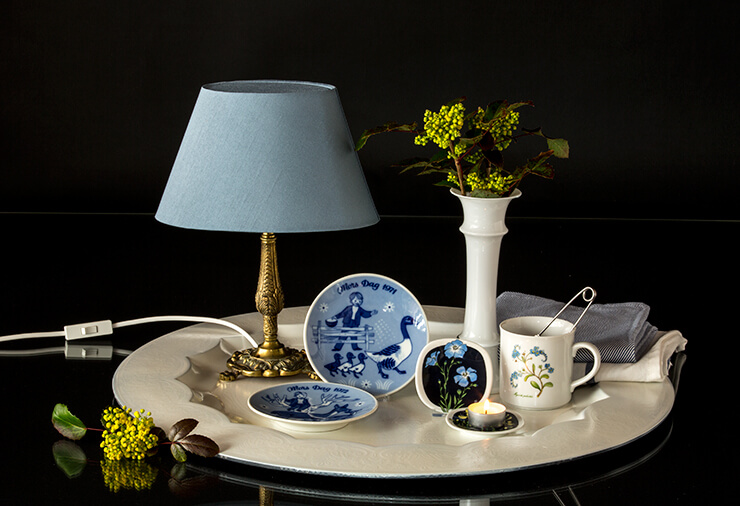
Mother’s Day plates have for many years been a familiar tradition in many homes. These small porcelain stories are given as a personal greeting and often find a place on the wall, on a shelf on a plate stand, or on the table for special occasions. The motifs typically revolve around closeness, children at play, or animals with their young – symbols of care and family life that can follow you year after year.
When is Mother’s Day – and where does the day come from?
Mother’s Day has its roots in the USA, where the idea was formulated in 1872 by Julia Ward Howe. The wider spread of the day is, however, attributed to Anna Jarvis, who began celebrating it on the second Sunday in May in 1908. In 1914, Mother’s Day was recognized as a national observance in the USA, and the tradition later spread to Europe and many other parts of the world.
In Denmark, Mother’s Day is celebrated on the second Sunday in May, and the day is often associated with flowers, cards, and small gifts – an occasion to say thank you and show thoughtfulness in a simple way.
Mother’s Day is one of those special observances that is not celebrated on the same date everywhere. In Denmark, we adopted the second Sunday in May from the USA, while both Norway and Sweden have other dates. Below you will find an overview of when different countries celebrate Mother’s Day.
- 2nd Sunday in February: Norway
- 30th day of the month of Shevat (usually February): Israel
- 4th Sunday of Lent: United Kingdom, Ireland
- March 8: Albania, Bulgaria, Romania
- 1st day of spring: Lebanon
- 1st Sunday in May: Hungary, Portugal, South Africa, Spain, Lithuania
- May 10: Most of South America and Mexico, Bahrain, Hong Kong, India, Malaysia, Oman, Pakistan, Qatar, Saudi Arabia, Singapore, United Arab Emirates
- 2nd Sunday in May: Australia, Belgium, Brazil, Canada, Colombia, Denmark, Finland, Italy, Japan, Netherlands/Holland, New Zealand, Austria, Switzerland, Taiwan, Germany, Türkiye, USA, Luxembourg
- May 26: Poland
- Last Sunday in May: France, Sweden
- August 12: Thailand (Queen Sirikit’s birthday)
- August 15: Antwerp (Belgium), Costa Rica
- 2nd Sunday in October: Argentina
- October 14: Russia, Belarus
A Perfect Gift for Any Mother
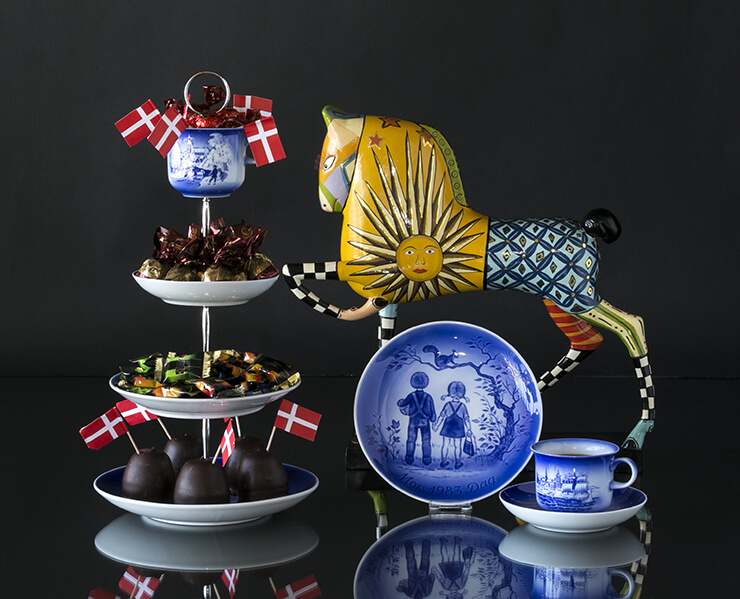
For many, a Mother’s Day plate has become a cherished tradition. Bing & Groendahl released the first in 1969, and ever since, the plates have been given as a small, lasting greeting – something that does not fade, but gets to stay.
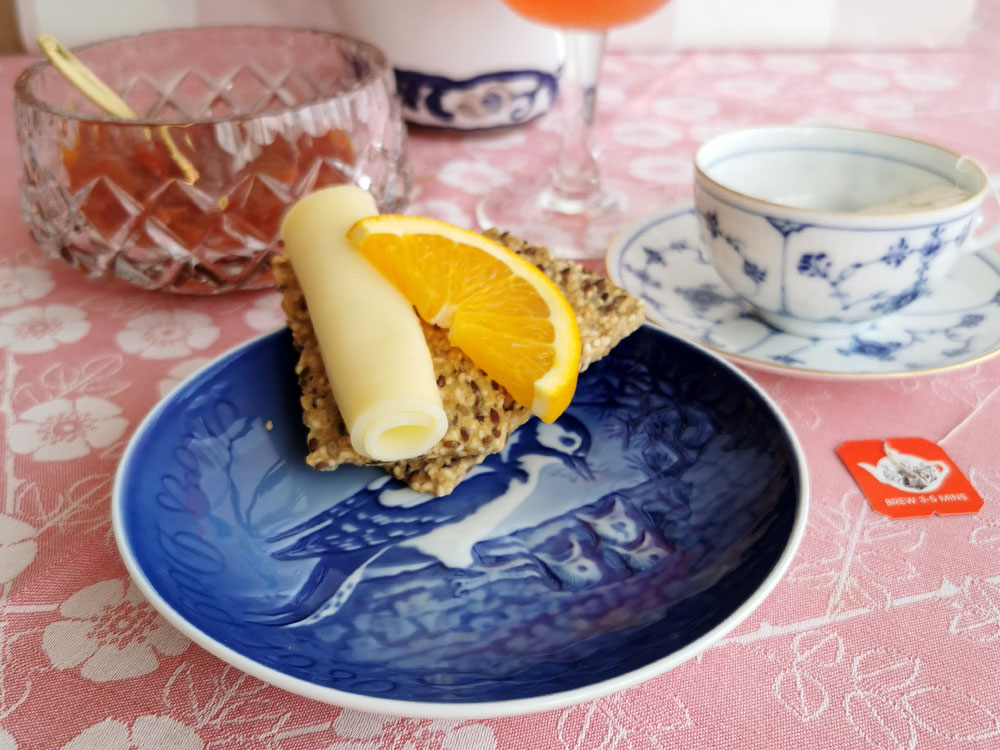
A Mother’s Day plate can bring joy both in everyday life and on special occasions, and for many it is an obvious Mother’s Day gift. It can be hung on the wall, displayed on a shelf, or brought out when the table is set a little extra nicely – for example as a dessert plate. That versatility is part of the reason Mother’s Day plates still have a place in many homes.
You may also be looking for more personal Mother’s Day gift ideas. Here you have the option of letting a plate become part of a cake stand with fittings, where you choose the motif and look yourself. This gives new life to the porcelain and makes the gift both decorative and useful – a small creative detail that can follow along for years to come.
The Rare Father’s Day Plates
Father’s Day plates were not produced in the same volume as Mother’s Day plates, and that is exactly why they have gained a special place among collectors and those looking for a more unusual gift. Among Danish producers, it is in fact only Egemose that produced both Father’s Day plates and Mother’s Day plates. The motifs on Father’s Day plates often feature crafts, professions, or classic symbols of the father role – small porcelain stories that can follow you through life.
When is Father’s Day – and where does the day come from?
Father’s Day was first celebrated in 1910 in the city of Spokane in the state of Washington. The initiative came from Sonora Louise Smart Dodd, who wished to honor her father, a single father of six children. The day later spread throughout the USA and then to Europe and other parts of the world. While Father’s Day never quite gained the same momentum as Mother’s Day, it still found its place in many calendars.
In Denmark, Father’s Day is celebrated each year on June 5, Constitution Day. This makes the date easy to remember, but also different from many other countries, where Father’s Day typically falls on a Sunday.
In the USA, Father’s Day is celebrated on the third Sunday in June, while both Norway and Sweden mark the day on the second Sunday in November. Denmark actually tried for a period to move Father’s Day to November to boost trade in a quiet month, but the tradition never truly caught on, and the day soon returned to June 5.
Father’s Day is therefore – like Mother’s Day – one of those observances that does not fall on the same date everywhere. Below are some of the most common dates:
- June 5: Denmark
- 3rd Sunday in June: USA, United Kingdom, Canada, France, Japan, Netherlands
- 2nd Sunday in November: Sweden, Norway, Finland
- March 19: Spain, Italy, Portugal (St. Joseph’s Day)
- 1st Sunday in September: Australia, New Zealand
A Father’s Day Gift with History
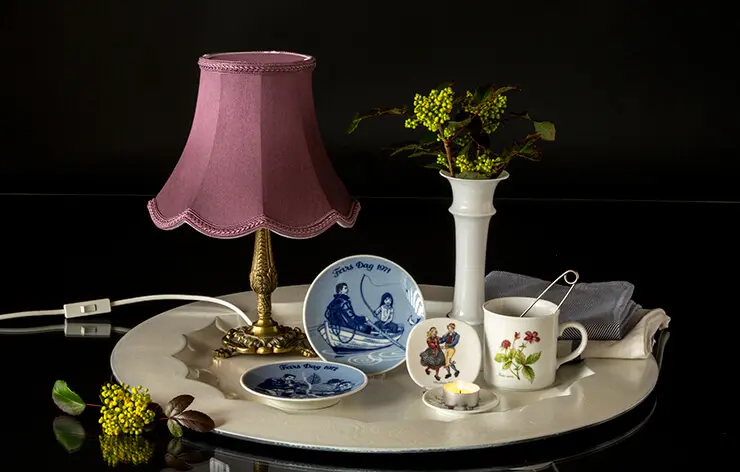
For many, a Father’s Day plate is a rarer – and also more personal – greeting. It can be hung on the wall, displayed on a shelf, or brought out for special occasions – for example as a plate when the table is set a little extra nicely. That combination of decoration and use makes these plates a gift that gets to stay.

What Can I Use Mother’s Day and Father’s Day Plates For?
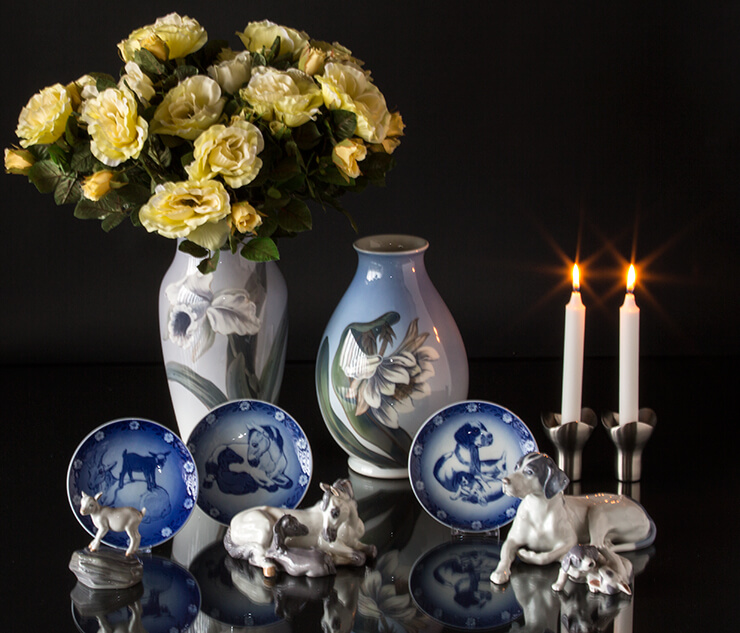
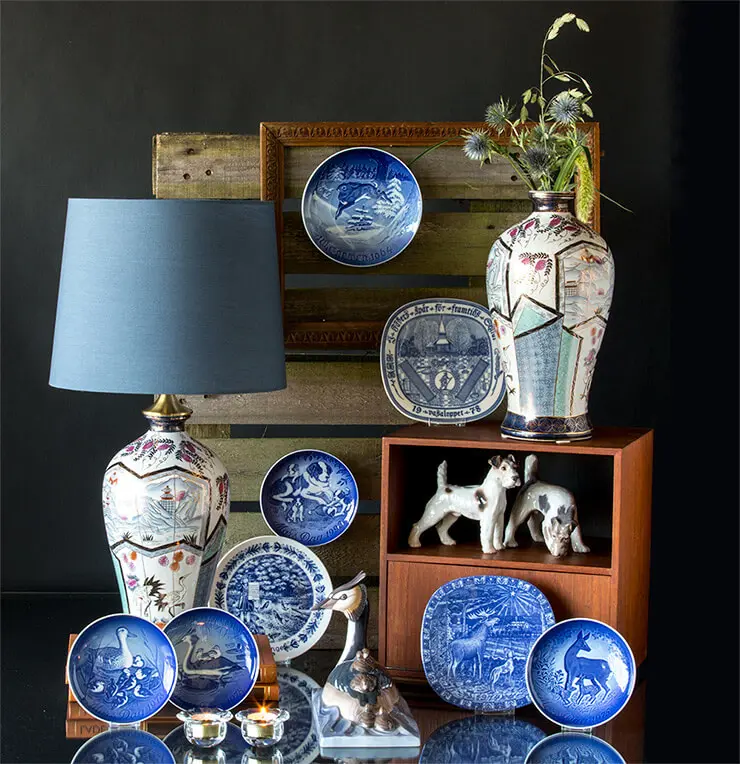
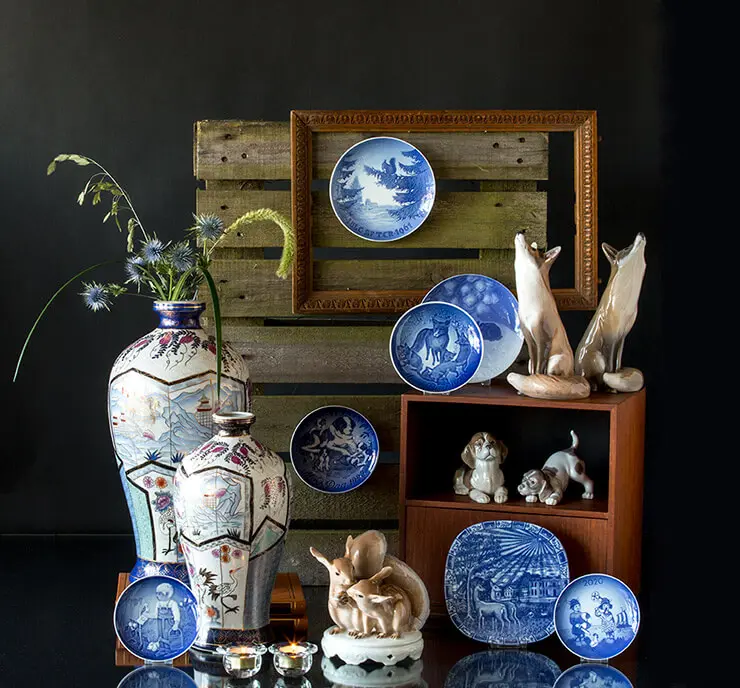
Mother’s Day and Father’s Day plates have had their ups and downs over time, but as more people decorate their homes with personal and unique pieces, plates have once again found a natural place in interior design. Antique, vintage, and retro have become part of the modern home style, and this has sparked renewed interest in plates – both as collectibles and as decorative elements on the wall or in a display cabinet.
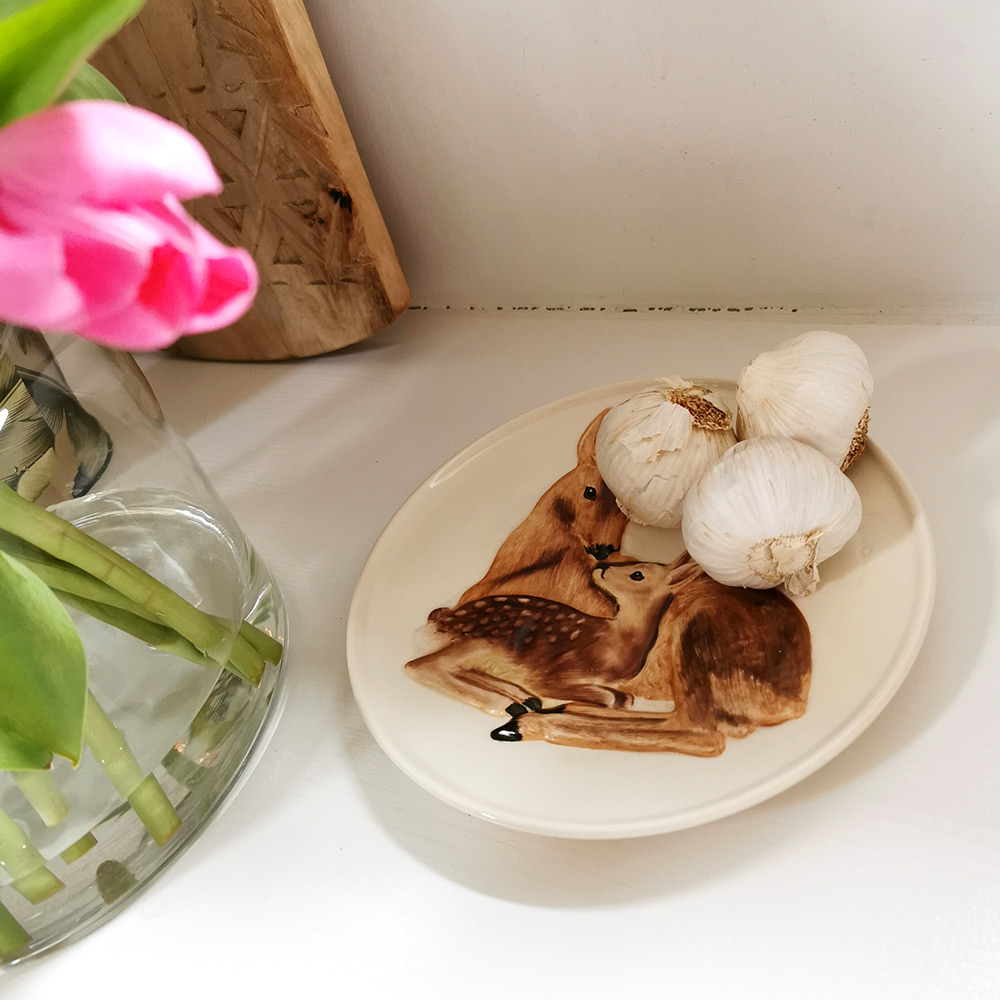
A plate can be both decorative and practical. It can be displayed on a table or shelf and add a calm, classic touch, but it can also be used for small items such as keys, jewelry, or other everyday essentials. For special occasions, plates can also be used as serving dishes or as plates for cake, fruit, or small dishes – a simple way to make table settings feel more personal.
What Are They Worth?
Mother’s Day plates – and even more so Father’s Day plates – primarily have emotional value. They were originally created as a gift and a keepsake, and that is why the story and tradition often matter most. Many Mother’s Day plates have been produced over time, so the value rarely lies in price alone, but in the thought and story that come with them.
See also:




 We are e-approved