Bear Figurines in Porcelain and Ceramics – From Small Bear to Large Collector Favorite
Bear figurines in porcelain, stoneware, and ceramics have for many years been popular collectibles.
Both Royal Copenhagen, Bing & Groendahl and Dahl Jensen have created beautiful interpretations of bears, including brown bears and polar bears – from the very small bear to a large bear with more weight and presence.
Some figurines have a naturalistic expression, while others are softer and more cozy – like a stuffed bear or a teddy bear. Regardless of style, bear figurines range widely in both size and price and fit into everything from a modern shelf to a classic display cabinet collection.
Polar Bears from Royal Copenhagen and Bing & Groendahl – One of the Most Beloved Animal Figurines
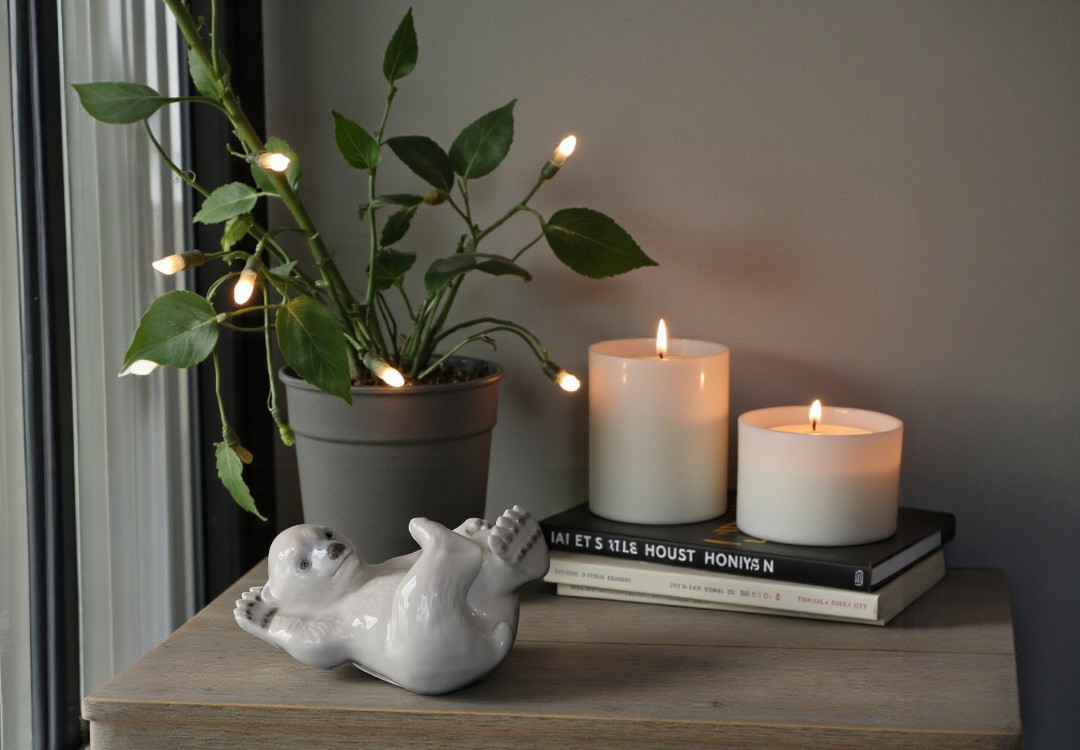
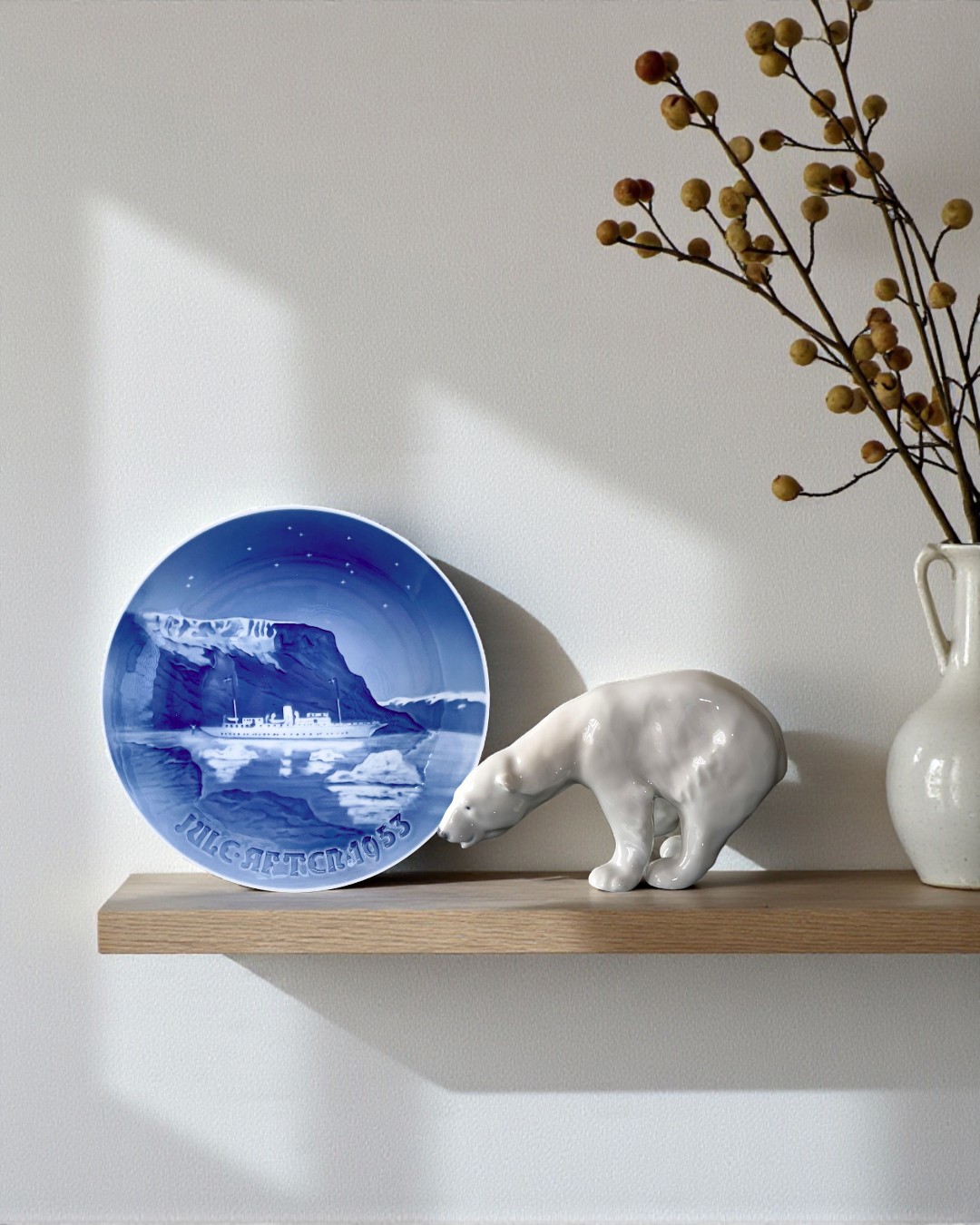
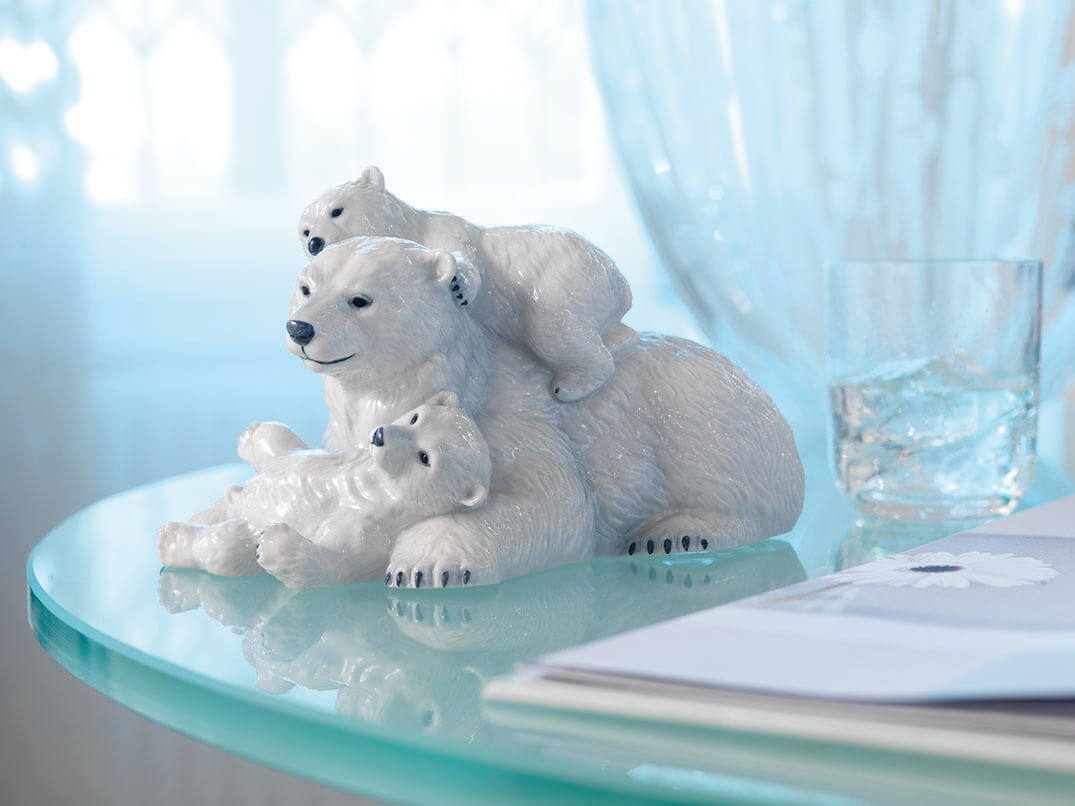
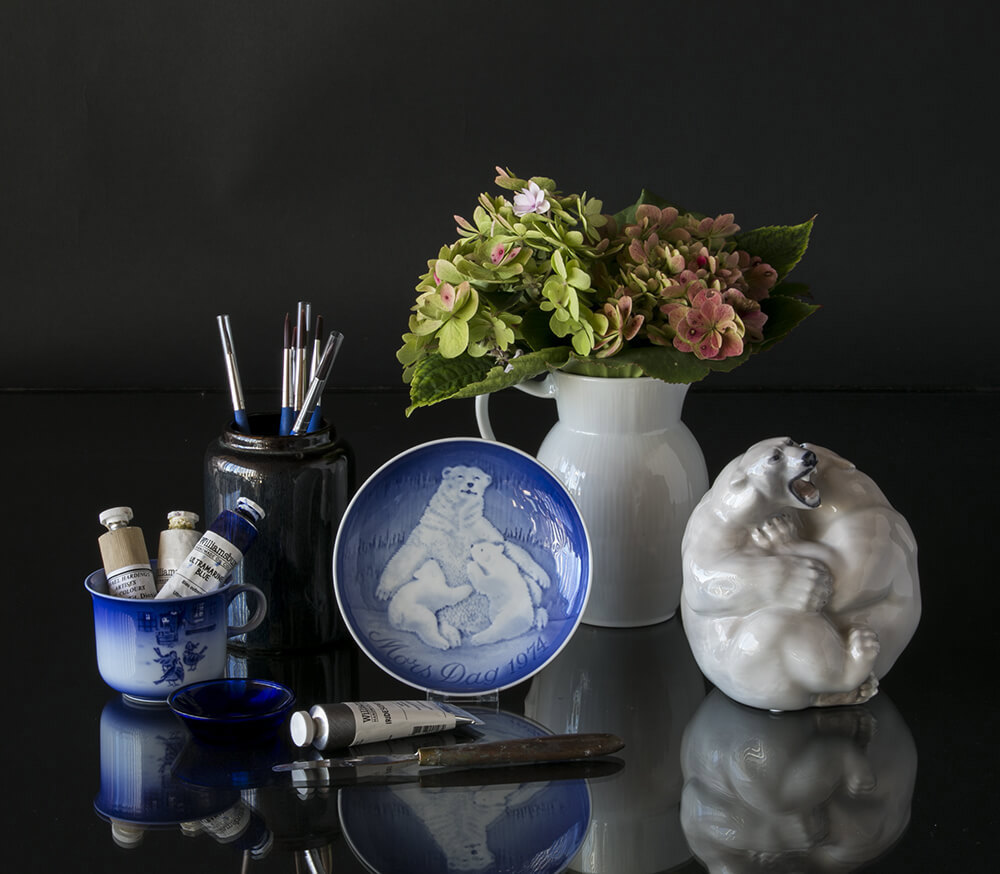
Porcelain figurines of polar bears, called Nanoq or Nanok in Greenlandic, are among the most sought-after animal figurines. Especially porcelain polar bears from Royal Copenhagen and Bing & Groendahl are known and loved for their calm expression and fine details.
The polar bear fascinates many people, not only because of its appearance, but also because it is a vulnerable animal in the real world. Melting sea ice and changing living conditions mean that the polar bear today is considered one of the endangered species. For this reason, many feel that a polar bear figurine also holds a quiet reminder of the fragility of nature – beyond its decorative value.
Brown Bear Figurines – Warm Tones and Classic Danish Design
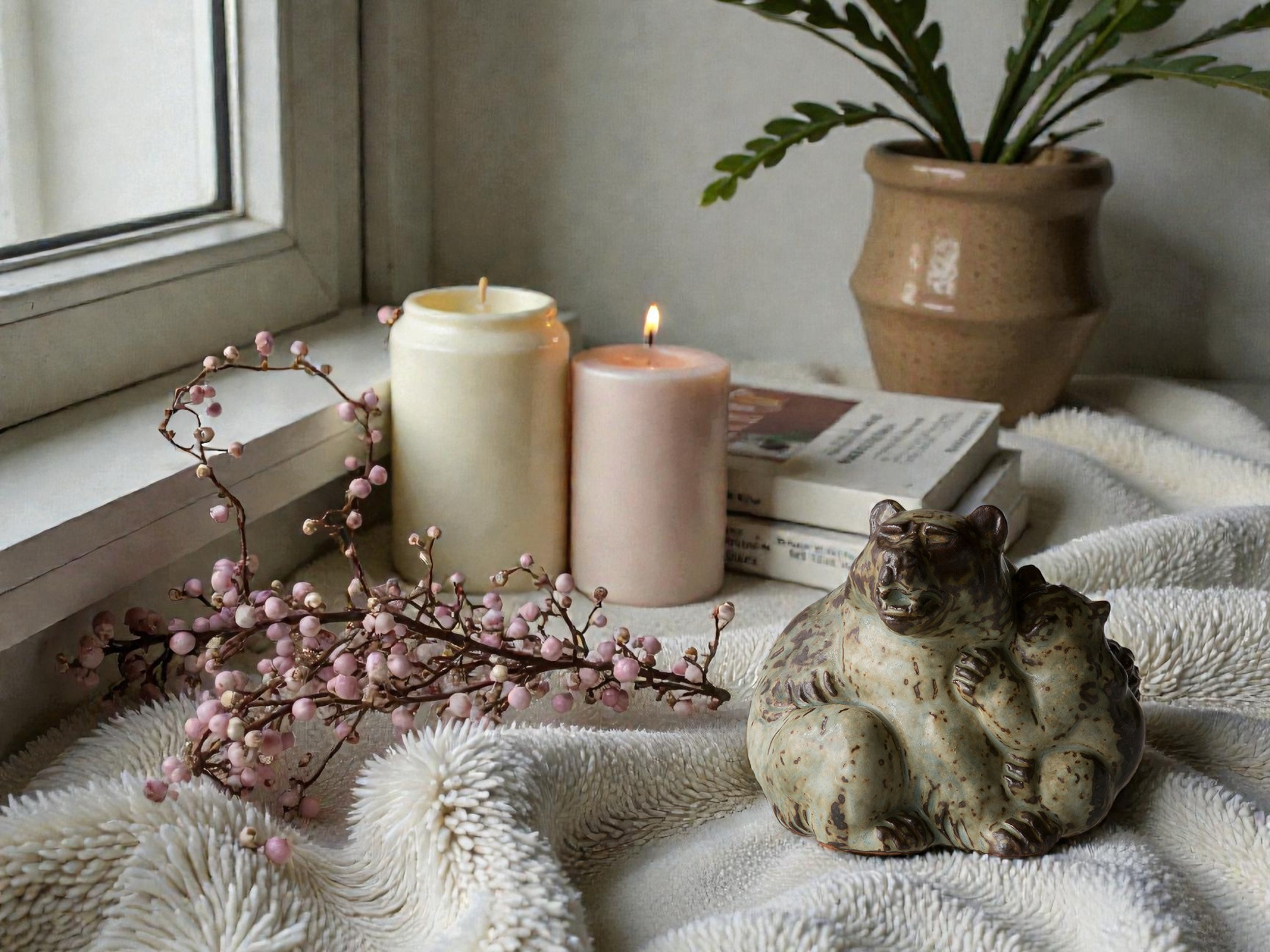
In addition to polar bears, brown bear figurines and brown bears in ceramics are also very popular. Here you often see motifs such as a brown bear sitting calmly, a bear licking its paw, or a bear with cubs close beside it. The expression ranges from small, almost teddy-like figurines to more naturalistic interpretations with weight and calmness.
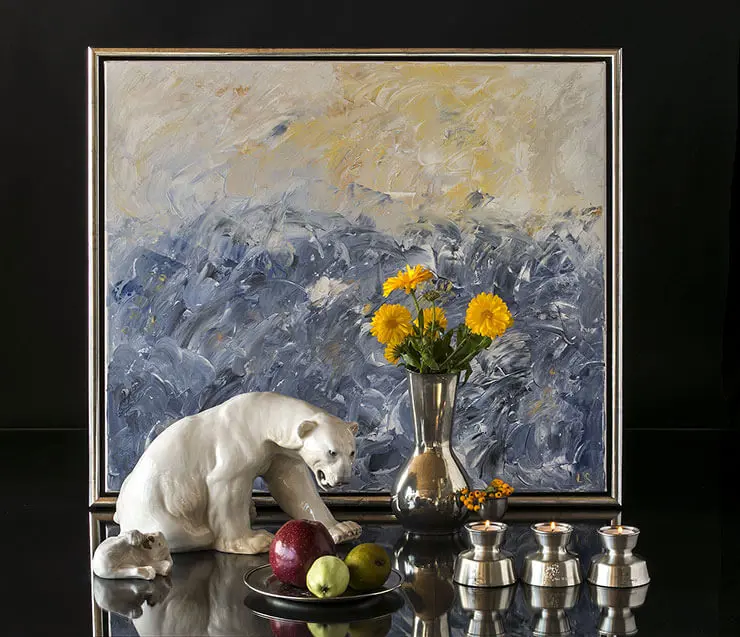
Royal Copenhagen has over time created several fine brown bears in both porcelain and stoneware, and especially the larger figurines have a special presence. A large bear can easily stand alone and create an eye-catching focal point, while a small bear or a softer teddy-style version fits beautifully on shelves and in display cabinets.
The Most Well-Known Artists Behind Bear Figurines
When talking about bears in Danish porcelain and stoneware, Knud Kyhn is one of the most well-known names. His bears for Royal Copenhagen range from small bear cubs to larger, more powerful figurines – often made in stoneware with vivid glazes and a clear sense of weight and form. Many people associate Kyhn in particular with the classic brown bear, where the surface can almost appear fur-like in its expression.
In stoneware you also find bears created by L. Hjorth, where the shapes are often slightly simpler and the surface more matte. This creates a warmer and more handmade expression that contrasts beautifully with the smoother porcelain figurines.
At Royal Copenhagen you will also find bears and other animal figurines created by Allan Therkelsen, who is especially known for his more lifelike and detailed models. The focus is often on movement and proportions, giving the figurines a calm and realistic expression that fits well into both modern and classic homes.
From Bing & Groendahl, it is especially Dahl Jensen who is associated with bears and animal motifs in porcelain. His figurines often have a softer and more classic design language, with fine lines and a harmonious expression.
What the artists have in common is the ability to capture the bear’s dual nature – both strength and calm – whether the figurine depicts a small seated bear cub, a brown bear licking its paw, or a larger polar bear in motion.
Bear – Also a Name in Danish Design
Bear is not only an animal, but also a first name, and in Danish design the thought often leads to Bjorn Wiinblad. Although he did not work with lifelike animal figurines, his universe is known for imaginative shapes, strong colors, and decorative expressions in both figurines and plates.
Many people interested in porcelain figurines and classic Danish craftsmanship also enjoy Wiinblad’s works – not least because his style forms a fine contrast to the more lifelike figurines from Royal Copenhagen and Bing & Groendahl. Where bear figurines often radiate calm and weight, Wiinblad brings playfulness, patterns, and personality into interior design.
From Polar Bear to Teddy – Bears in Interior Design
Bear figurines can be used in many ways in interior design. Larger and more naturalistic figurines – such as a standing polar bear or a powerful brown bear – often work as eye-catching focal points on a shelf, in a display cabinet, or on a side table. They add weight and calmness and can stand alone like a small art object.
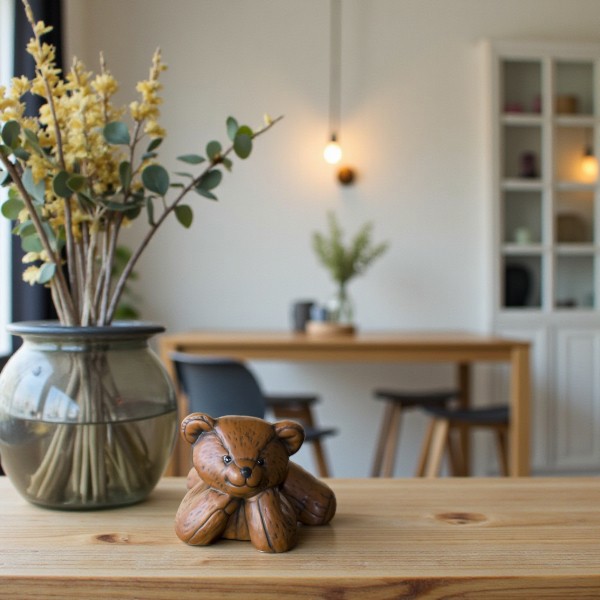
Smaller figurines, on the other hand, create a softer and more personal atmosphere. A small seated bear, a bear cub, or a teddy-shaped figurine fits nicely on a shelf, in a child’s room, or as part of a collection of animal figurines.
It is precisely the range between the naturalistic and the more stylized that makes bear figurines versatile. They can be part of both classic and modern homes – either as a subtle element or as a figurine allowed to take center stage.
The Bear’s Symbolism – Strength, Calm, and Protection
In many cultures, the bear has been a symbol of strength, protection, and calm. It is often associated with maternal instinct and care, as bears are known for protecting their cubs intensely. At the same time, the bear’s winter hibernation represents renewal and inner balance – a period of stillness before new energy.
In symbolism, the bear is often seen as a grounded and reassuring being. It stands for stability, wisdom, and the ability to find calm amid change. For this reason, many choose a bear figurine as more than just home decor – it can function as a small personal symbol in the home, reminding you of strength, harmony, and presence.
While the polar bear is often associated with purity and the Arctic landscape, the brown bear is more often linked to warmth, nature, and homeliness. Both expressions give the figurines an extra dimension beyond the purely decorative.
A Nordic Motif with Global Appeal
Bear figurines in porcelain and ceramics have for many years found their way into homes far beyond Denmark’s borders. Especially polar bears from Royal Copenhagen and Bing & Groendahl are recognized by collectors because they combine a Nordic nature motif with classic craftsmanship and an expression not tied to a specific era.
Part of the explanation also lies in the bear’s universal symbolism. While some see strength and protection, others associate the figurine with calmness, nature, or childhood memories. At the same time, the simple shapes fit into both modern and more retro or classic homes, making them easy to integrate regardless of style and culture.
A Gift with Meaning
Precisely because bear figurines from Royal Copenhagen, Bing & Groendahl, and Dahl Jensen are well-known and sought-after collectibles, many people also choose them as gifts. Their broad popularity makes the bear a safe choice – both in Denmark and internationally.
A porcelain or stoneware bear figurine fits into many types of homes and interiors, whether the recipient actively collects or simply appreciates classic Danish design. That is why bear figurines are often given for special occasions, anniversaries, or as a gift meant to last for many years.
At the same time, there is great variation in both size and expression – from the small bear cub to the large, striking bear – making it easy to find a figurine that suits the occasion without feeling too personal or too random.
Facts About Bear Figurines and Polar Bears
What does a bear eat?
- Most bears are omnivores. They typically eat fish, berries, nuts, roots, insects, and smaller animals. In nature, bears are often seen catching salmon and other fish, which is also a motif frequently found among porcelain and ceramic figurines.
What does a polar bear eat?
- A polar bear’s diet mainly consists of seals, but it can also eat fish, Arctic foxes, walruses, seabirds, and Arctic hares.
How much does a polar bear weigh?
- An adult polar bear can weigh up to 700 kilograms.
How old can a polar bear get?
- A polar bear typically lives between 25 and 30 years in the wild.
How fast can a polar bear run?
- A polar bear can reach speeds of up to 55 kilometers per hour.
What is polar bear in Greenlandic?
- In Greenlandic, polar bear is called Nanoq or Nanok.
Which materials are bear figurines typically made of?
- Bear figurines are often made of porcelain, stoneware, or ceramics.
Are bear figurines popular collectibles?
See also:




 We are e-approved